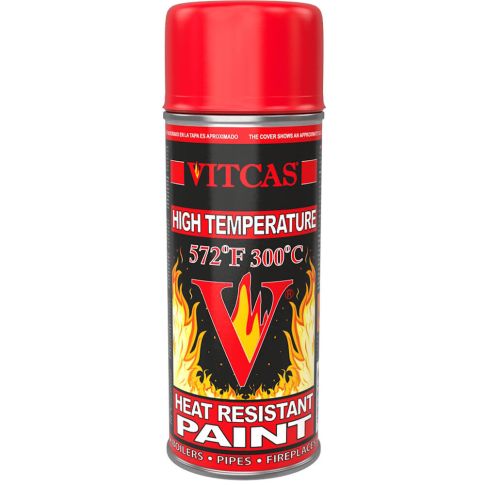
Before painting the smokehouse doors, check not only for rust but also the hinges, lock, and sealing areas. New paint will not repair warped sheet metal or poor closure. Distinguish surfaces to be renewed from parts that must maintain movement, pressure, or specific contact with the chamber.
Inspect cold doors before dismantling
Take a photo of the hinge positions and the seal. Check for corrosion, cracks, and the condition of the supports. If the doors require adjustment or metal repair, determine this scope before applying a new coating.
Remove loose coating and contaminants using a method suitable for the substrate. If the old paint is preserved, confirm its ability to be covered with new material. Cleaning, degreasing, and drying should comply with the instructions of the selected product.
Check the intended use of the paint and protect the remaining parts
Vitcas black heat resistant paint has declared resistance up to 800°C and specified uses on prepared surfaces. The manufacturer states that it has not been tested for direct contact with food. Therefore, do not treat heat resistance as such confirmation.
Secure areas where the coating could interfere with the hinge, lock, or seal. The paint instructions indicate application without a primer. If you are also replacing a rope seal, select its mounting separately; Vitcas Rope Adhesive is intended for specific seals, not for repairing the steel coating.
Plan drying, heating, and assembly
Check the application conditions and required curing for the specific paint variant. Do not spray the material on heated steel or near a flame. Adjust the workstation protection and ventilation according to the instructions before starting application.
After the required preparation for use, check the range of movement and the closing of the doors. Compare them with photos taken before the work. If the coating peels quickly along the same edge, assess friction, metal condition, and heating conditions instead of assuming that another thicker layer will be sufficient.